Materials R&D Solutions.
Precision tools for Materials research — from fundamental properties to functional devices.
Comprehensive solutions for materials research and characterization.
Electrochemical instruments are essential when working with functional and structural materials, from fundamental characterization to full device integration. Determining the right instrument and setup is not always straightforward. Explore typical configurations from our comprehensive, modular portfolio, then connect with our sales experts to design the perfect solution.
You need to investigate using our solutions
To help your initial evaluation, explore typical configurations for common applications in material research:
Functional Materials
“I’m exploring new functional materials and need to understand their intrinsic properties.”
Understanding conductivity, dielectric behavior, and charge transport in bulk and thin films is essential for selecting the most promising materials. Accurate electrochemical and electrical characterization provides the insight required to guide design and development.


Materials for Energy Conversion & Storage
“I need to evaluate how my materials will perform in batteries, solar cells, fuel cells, or energy storage systems.”
Comprehensive testing under realistic operating conditions enables researchers to optimize material composition, assess degradation mechanisms, and validate performance for next-generation energy technologies.


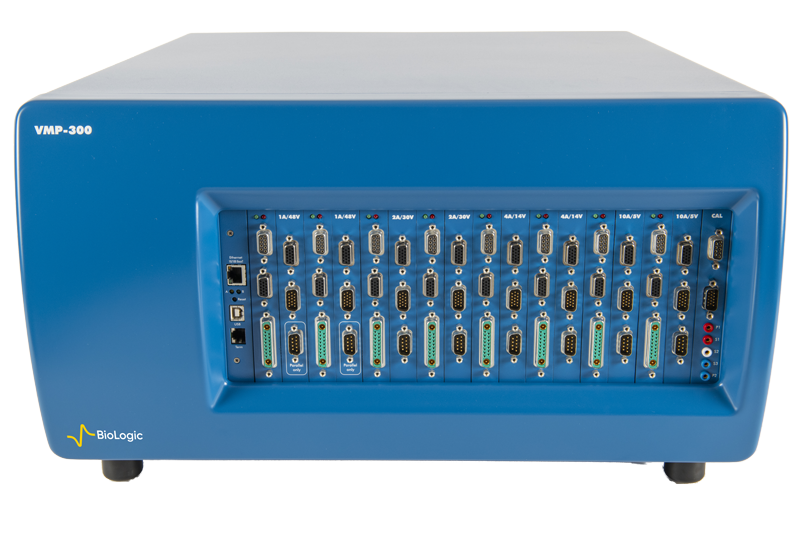
Surface & Interface
“I need to understand how surfaces and interfaces impact material performance.”
Localized characterization and careful analysis allow researchers to detect defects, optimize interfaces, and ensure materials perform as intended across applications.

Materials for Sensors
“I want to know how my sensor materials will perform in real conditions.”
Surface functionalization, electrode interfaces, and active sensing layers strongly influence performance. Testing under controlled conditions allows researchers to evaluate sensitivity, selectivity, and stability, ensuring materials deliver reliable results in practical applications.

Ready to start your journey or move to the next stage?
Request a quote and take advantage of our personalized advice and get the data you need to make informed decisions.
FAQ.
I’m not sure which configuration fits my specific material. What should I do?
Our portfolio is modular by design. We strongly recommend contacting our sales team who can provide personalized recommendations.
Which factors are most important when measuring highly resistive materials?
Highly resistive samples require careful control of cable shielding, grounding, input impedance, current resolution, environmental noise, cell geometry… BioLogic Premium potentiostats address these challenges through low-noise electronics, high-input-impedance electrometer design, and ultra-low-current measurement capability down to the picoampere range. Combined with dedicated shielded connections, Faraday cage compatibility, and high-resolution EIS performance, these features help ensure stable and reliable characterization of highly resistive materials.
How do multichannel potentiostats accelerate materials development workflows?
Simultaneous testing of multiple samples allows researchers to compare formulations, processing conditions, or material architectures under identical experimental protocols. BioLogic multichannel potentiostats paired with EC-Lab software help increase throughput while maintaining measurement consistency.
 Read the article
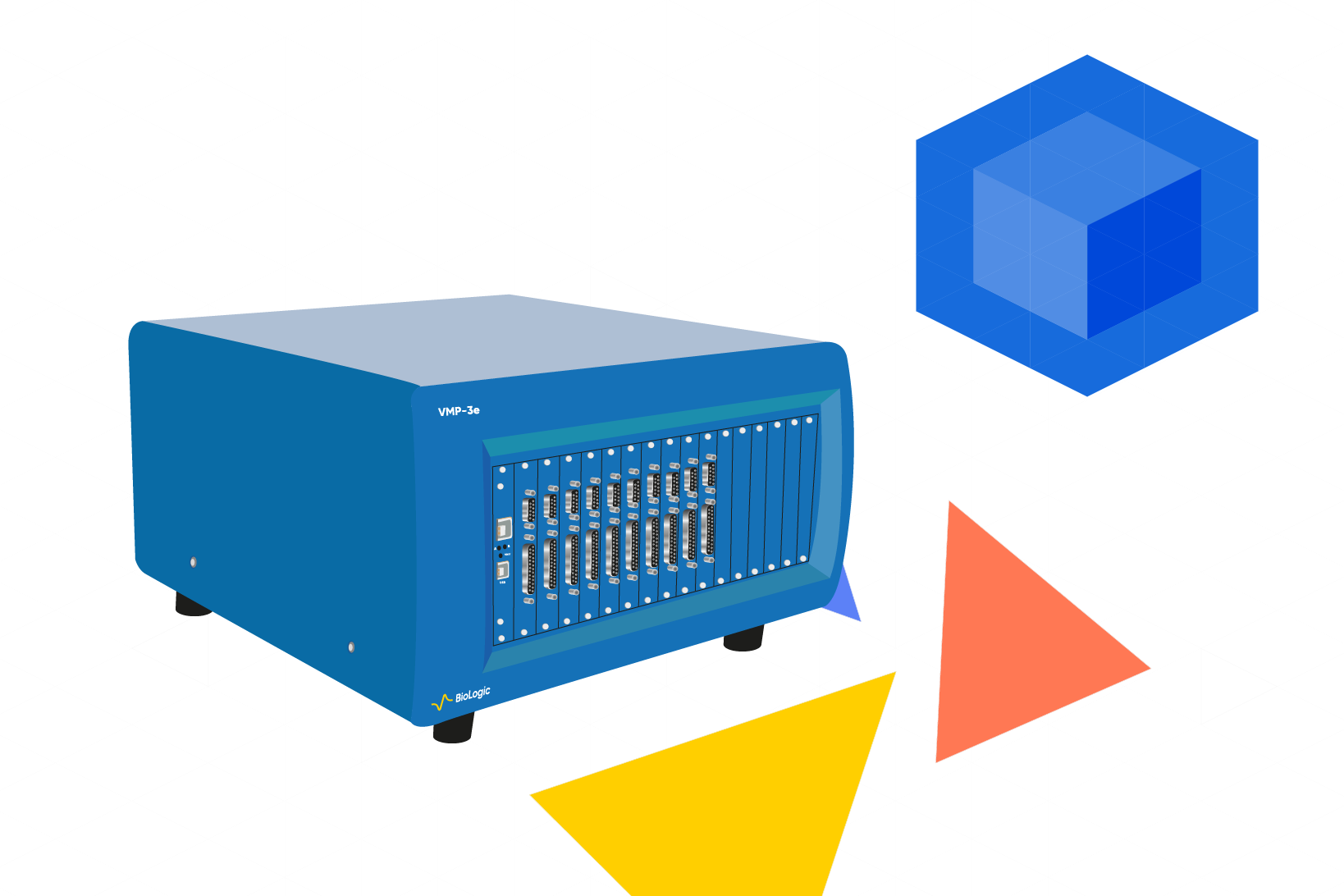
EC-Lab® solutions for coupling with external devices
This article shows how to integrate, synchronize, and interface BioLogic potentiostats with other devices and instruments using EC-Lab.
 Read the article
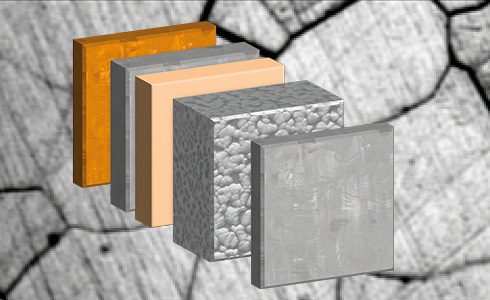
How to access electric variables in EC-Lab®
EC-Lab® software allows access to the complex representation of the electrical variables obtained from electrochemical impedance measurements on ionic conductors.
 Read the article
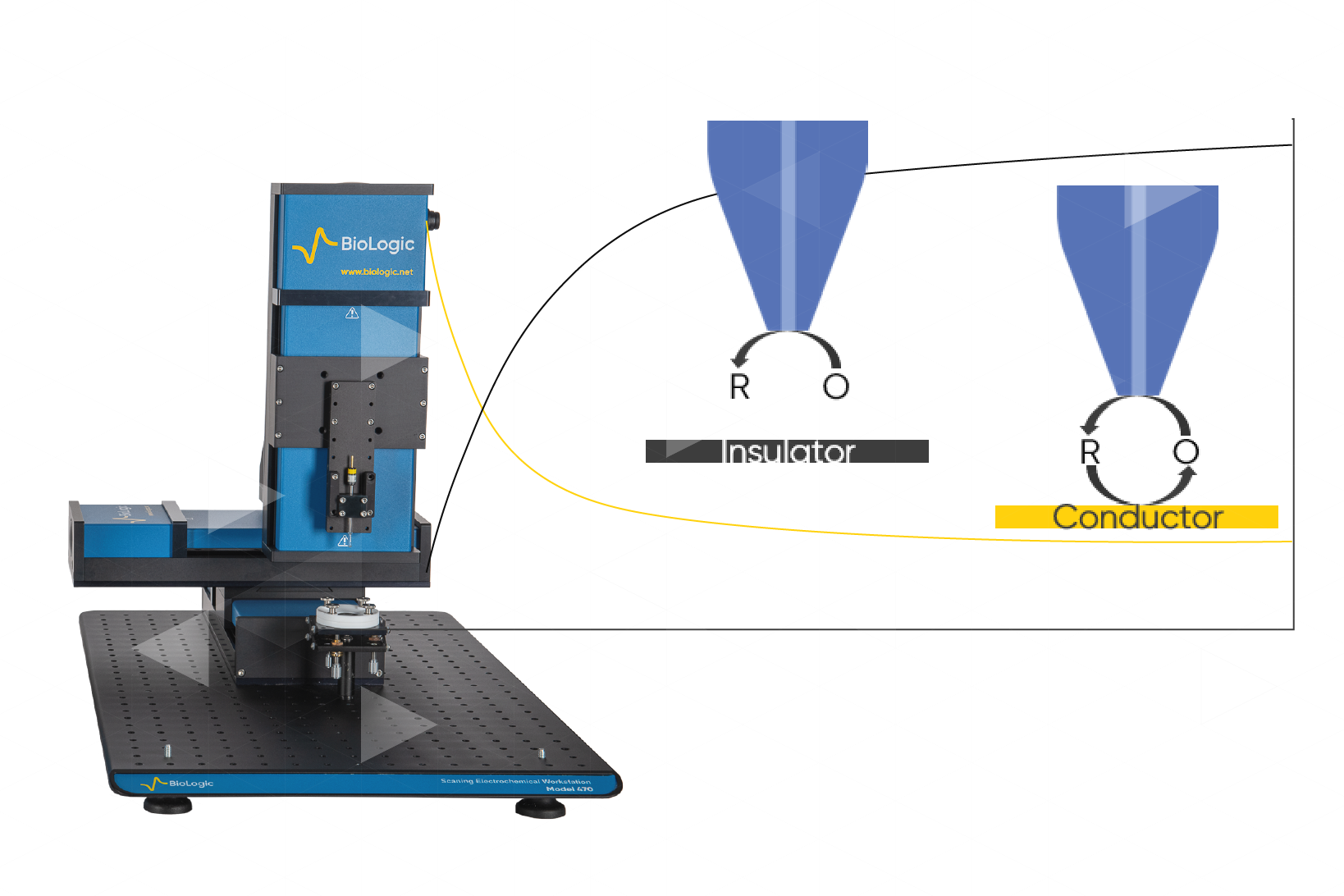
How to use SECM approach curves for energy applications
The Scanning Electrochemical Microscopy (SECM) Probe Approach Curve (PAC) is introduced. Its uses are shown with examples from energy storage and conversion.
 Read the article
Perovskite Solar Cells: Electrochemical Techniques and Insights
Discover the fundamental testing techniques behind Perovskite solar cell technology.
 Read the article
Scanning Probe Electrochemistry & Materials Research
The use of scanning probe electrochemistry in materials science
 Read the article
The electrical conductivity of solid electrolytes
The efficiency and performance of energy storage devices depend on the electrical properties of the materials used for the anode, cathode and for the electrolyte.