Electrosynthesis Solutions.
Precision tools for electrosynthesis — from molecular to large scale reactions.
Comprehensive solutions for electrocatalysis and electrosynthesis.
Electrochemical instruments are essential when working in electrosynthesis. However, determining the right instrument and setup is not necessarily straightforward. This page will help you to clarify your needs and discover more about typical configurations used.
Scanning electrochemical techniques
Scanning electrochemical techniques
Multimodal measurements
Multichannel techniques
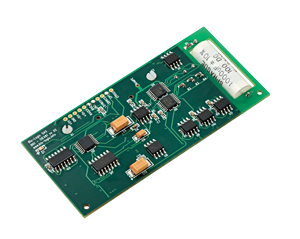
Molecular Scale
“I’m exploring new synthetic routes and need to understand the fundamental mechanisms.“
When pursuing new electrosynthetic processes it is essential to understand the elementary electron-transfer steps and the reaction pathways. Accurate, high-resolution electrochemical control and characterization provide the insight required to design and optimize reactions.


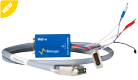


Electrode Scale
“I am investigating how the electrode, and the electrode-electrolyte interface affect electrosynthesis.”
When pursuing new electrosynthetic processes it is essential to understand the elementary electron-transfer steps and the reaction pathways. If an electrocatalyst is used its role must be understood.


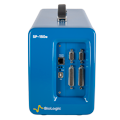
Lab Reaction Scale
“I need to demonstrate the feasibility of the electrosynthetic process.”
At the stage of bulk electrosynthesis it is important to scale up and prove not only the feasibility of the process, but also its selectivity. This is where rigorous validation becomes essential.
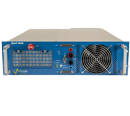
Reactor Scale
“I am ready to scale up my reaction to optimize my final process.”
Before moving to commercialization, you need to optimize the electrosynthesis, increasing the reaction productivity, and improving mass transport to the electrodes.
Ready to start your journey or move to the next stage?
Request a quote and take advantage of our personalized advice and get the data you need to make informed decisions.
FAQ.
Can I use BioLogic instruments for multimodal experiments?
Yes! BioLogic’s Premium and Essential potentiostats can be used to perform multimodal experiments. We have combined our potentiostats with a range of partner devices, including Quartz Crystal Balance (QCM), X-Ray Diffractometer (XRD), and Transmission Electron Microscopy (TEM).
If you are interested in coupling BioLogic’s potentiostats with other devices the EC-Lab Developer Package is also available. This is a specialized version of BioLogic’s control and analysis software allowing integration with proprietary software.
For the optimal solution, we strongly recommend contacting our sales teams to discuss how we can support your current projects, they can provide personalized recommendations based on your application needs.
I’m interested in high throughput screening what do you offer?
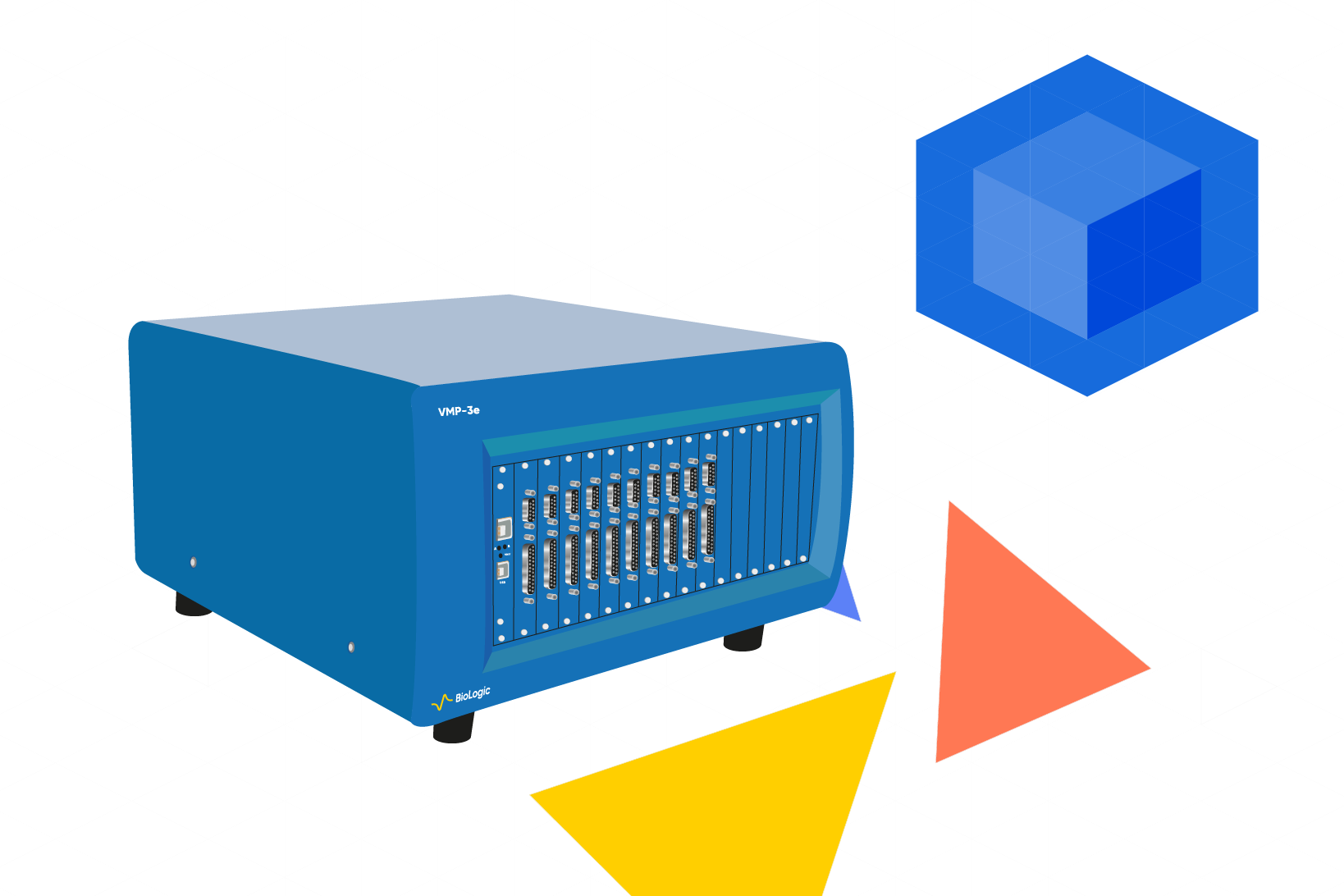
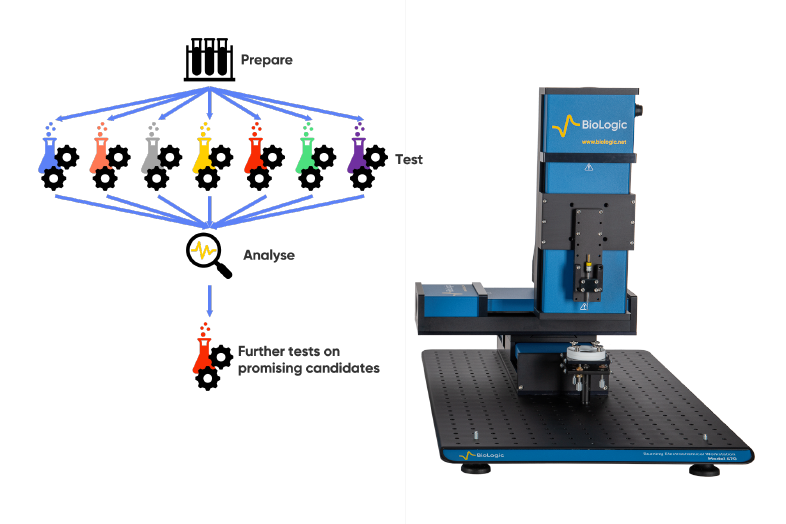
BioLogic’s multichannel potentiostats can be used to perform high throughput screening experiments. Users can take advantage of their ability to setup multiple cells and tests for simultaneous experiments, learn more here.
Scanning Electrochemical Microscopy (SECM), and Scanning Droplet Cell (SDC), available on the M470, can also be used in high throughput screening. These techniques are used because of their ability to obtain local information and therefore measured individual samples of a library at each step of an experiment. Further information on high throughput screening can be found in our Learning Center article Introduction to High Throughput Screening.
For help in choosing the right solution for you, we recommend contacting your local BioLogic representative.
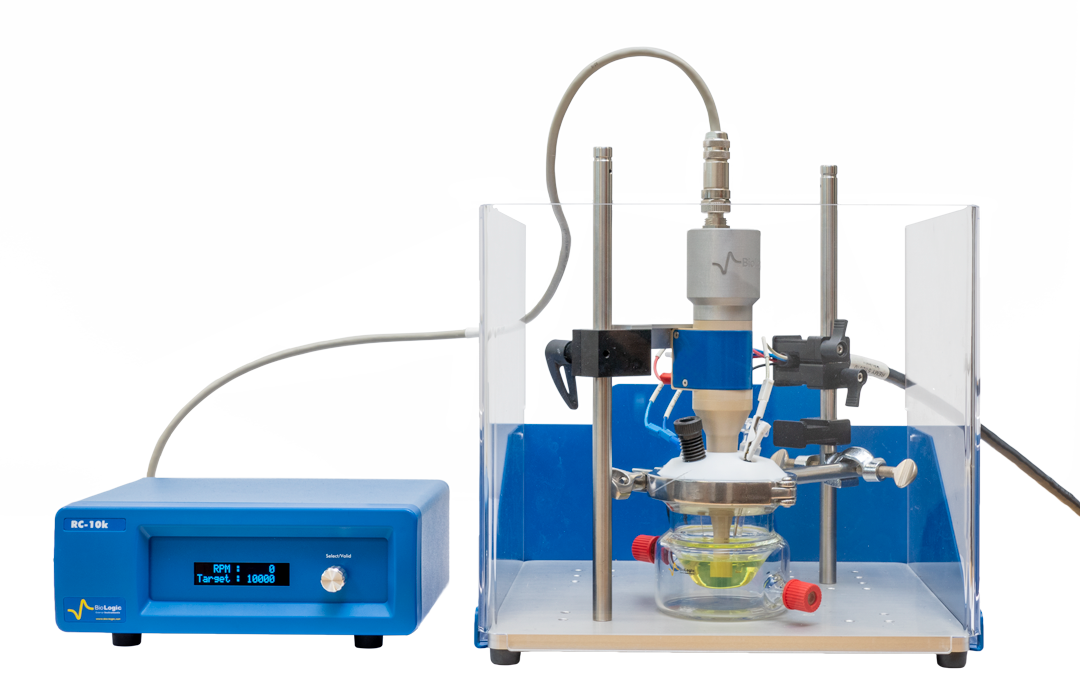
Are there different tip types available for the BluRev?
Yes! A range of Rotating Disc Electrode (RDE) and Rotating Ring Disc Electrode (RRDE) tips are available. These include Glassy Carbon (GC), Platinum (Pt), and Boron Doped Diamond (BDD). Users can also use customized materials when working with our disc replaceable tips.
For help in choosing the right solution for you, we recommend contacting your local BioLogic representative.
Does BioLogic offer further information on best practices?
BioLogic offers a wide range of resources offering tips, tricks, and best practices to get the most out of your instrument. BioLogic’s extensive documentation includes Application Notes, Learning Center articles and a personal space with exclusive support resources after instrument registration. Webinars covering advanced techniques and research topics are also held regularly.
If further information or support is needed technical support from our experts can be requested : Request a support – BioLogic.
 Read the article
EC-Lab® solutions for coupling with external devices
This article shows how to integrate, synchronize, and interface BioLogic potentiostats with other devices and instruments using EC-Lab.
- Read the article
How to select the right reference electrode?
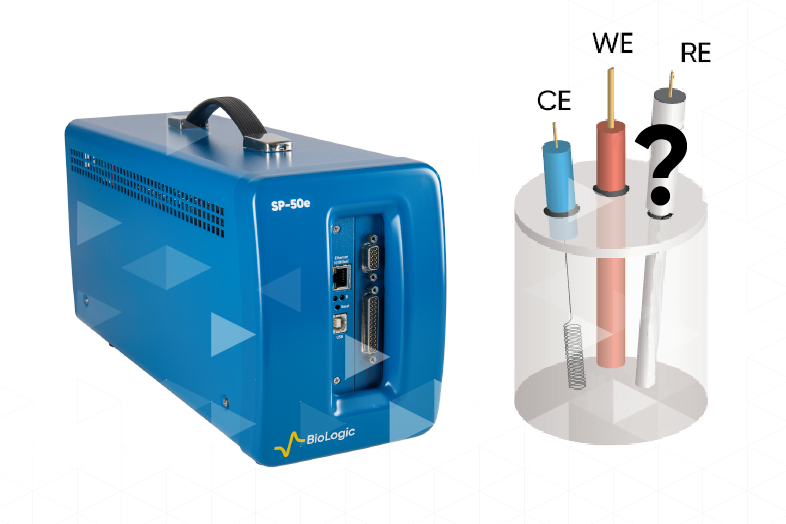
This article helps you decide which reference electrode is best for your experiment
- Read the article
Introduction to High Throughput Screening
This article introduces high throughput screening and explains its advantages compared to iterative testing.
 Read the article
Scanning probe electrochemistry for catalysis research
An overview of the benefits of local electrochemistry in research in the field of catalysis
- Read the article
What is a potentiostat and its use in Science & Industry (Electrochemistry Basics Series)
What is a potentiostat? An article detailing every aspect of this versatile electrochemical multitool. Covers Potentiostat functionality and operation, the history of the potentiostat, uses and applications and the future of the potentiostat
- Read the article
Why use RDE and RRDE method to characterize electrocatalysts?
This article explains how BluRev can help you understand electrocatalyst properties using RDE and RRDE methods